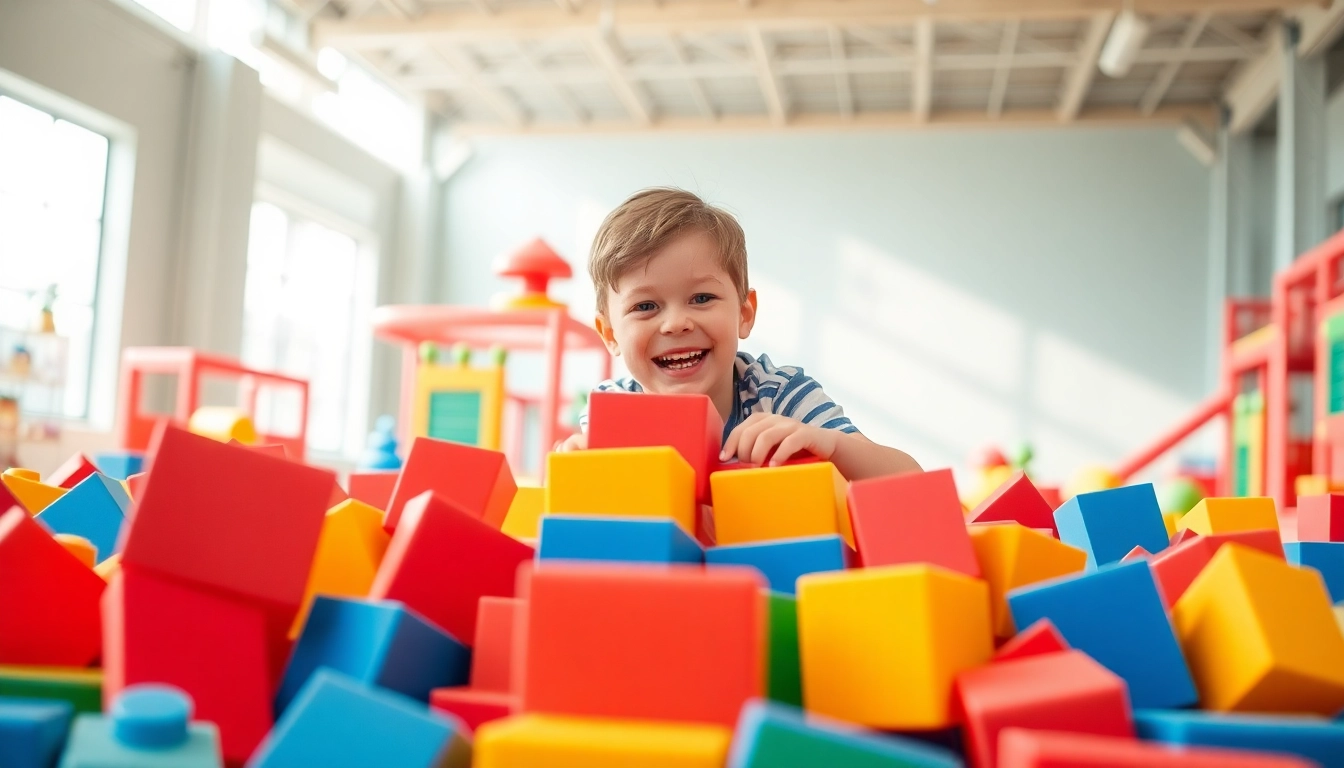
Introduction to Giant Foam Building Blocks
Giant foam building blocks are more than just toys; they are the pillars of creativity, imagination, and teamwork. Whether you’re looking for an educational tool, a fun playtime solution, or a means to encourage imaginative play, giant foam blocks offer endless possibilities for adventure and exploration. These versatile building blocks enable children to construct their dream worlds safely and encourage a hands-on approach to learning. As more parents and educators look for innovative play solutions, giant foam blocks have emerged as a prime choice. If you want to find out more about their transformative role in child development, keep reading to explore their many benefits and creative applications.
Overview of Their Benefits
Giant foam building blocks are designed to provide multiple benefits that cater to various aspects of children's growth. Firstly, they contribute significantly to motor skills development. As children lift, stack, and balance foam blocks, they enhance their hand-eye coordination and fine motor skills. The soft and lightweight nature of these blocks also ensures that children can manipulate them without risk of injury, making playtime both fun and safe.
Aside from physical development, these blocks also spark cognitive skills. Children are encouraged to strategize while constructing their designs, enhancing problem-solving skills. Whether they are following a certain pattern or trying to balance a new creation, they engage in active learning through play.
Moreover, the social benefits are substantial. When kids play together using foam blocks, they learn teamwork and cooperation. Engaging in group projects fosters communication skills and teaches conflict resolution as they navigate differing ideas for their constructions.
Different Types of Foam Blocks
The market offers an array of foam blocks tailored to different preferences and needs. Some popular types include:
- Standard Foam Blocks: These are versatile and come in various shapes and sizes, allowing for unlimited creative possibilities.
- Printable Foam Blocks: Some blocks can be printed or decorated, providing an avenue for artistic expression and personalized designs.
- Textured Foam Blocks: These blocks feature various textures that stimulate tactile exploration and sensory development.
- Educational Foam Sets: Designed with specific learning objectives in mind, these sets may include numbers, letters, or shapes, intertwining education with play.
Safety Features to Consider
Safety must always be a top priority when selecting foam building blocks. Parents and educators should consider the following safety features:
- Non-toxic Materials: Ensure the foam blocks are made from non-toxic, BPA-free materials that are safe for children.
- Rounded Edges: Opt for blocks with rounded edges to minimize the risk of injury during play.
- Durability: Choose blocks that can withstand rigorous play without breaking down, ensuring long-lasting fun.
- Washable Surface: Select foam blocks that are easy to clean to promote hygiene, especially in shared spaces.
How to Set Up an Indoor Building Adventure
Creating an exciting and productive indoor environment for building adventures can significantly enhance children's play experience. Here’s how to set it up efficiently.
Essential Space Requirements
Before diving into play, ensure there is ample space for children to freely explore their creativity. A designated play area where the blocks can be arranged and experimented with is essential. Ideally, this area should have:
- A safe, flat surface to build on, minimizing the risk of accidents.
- Enough space to move around comfortably, accommodating multiple children.
- Good lighting to stimulate creativity and keep the environment cheerful.
Organizing the Perfect Environment
To maximize the joy of indoor building, consider the following tips for organizing the space:
- Zone Designation: Create specific zones for different types of activities, such as a construction zone, a creative art corner, and a reading nook for inspiration.
- Accessibility: Store blocks within reach but organized to encourage independence in cleaning up and creating.
- Comfort Features: Incorporate cushions or soft mats to create a comfortable play area, enhancing the overall experience.
Creative Themes for Playtime
Thematic play can elevate children's engagement, making the building experience even more enjoyable. Here are some creative themes to explore:
- Nature-Inspired Builds: Encourage children to create wildlife habitats or trees using foam blocks and elements from nature.
- Cities and Towns: Kids can design their dream town, complete with houses, schools, and parks, teaching them about urban planning.
- Fantasy Worlds: Introduce themes from different fairy tales or fantasy adventures, allowing children to inhabit rich narrative landscapes.
Engaging Activities Using Foam Blocks
To keep kids excited and constantly engaged, incorporating diverse activities using foam blocks is essential. Here’s a look at some engaging options.
Group Challenges and Games
Group challenges using foam blocks can foster teamwork while promoting fun. Challenge children to:
- Build the Tallest Tower: Encourage competition while kids work together to create the tallest free-standing tower.
- Collaborative Sculptures: Create themed sculptures as a group to influence cooperative creativity.
- Relay Races: Set up courses requiring participants to carry blocks to build portions of a structure, blending physical activity with building.
Educational Uses in STEM Learning
Foam blocks are outstanding tools for engaging children in STEM (Science, Technology, Engineering, and Mathematics) concepts. They can learn engineering principles such as balance and weight distribution. Here are some activities:
- Gravity Experiments: Children can experiment with different heights and weights to observe how structures collapse or stand.
- Measurement Learning: Children can learn measurement concepts such as counting blocks and understanding geometric shapes.
- Design Challenges: Set a goal for a structure to carry a certain weight, prompting critical thinking and application of engineering principles.
Inspiring Imaginary Play Scenarios
Foam blocks serve as excellent props for imaginary play, fueling creativity in countless scenarios:
- Superhero Adventures: Kids can build their rescue headquarters, coming up with their superhero backstories.
- Space Exploration: Create rockets or alien landscapes, promoting stories about space travel and discovery.
- Animal Kingdoms: Build habitats for different animals, integrating lessons about wildlife and ecology into play.
Customizing Your Foam Block Experience
Every child is unique, and customizing the foam block experience can enhance engagement and enjoyment. Here are ways to personalize the experience:
Choosing the Right Sizes and Shapes
Foam blocks come in various sizes and shapes; selecting the ideal combination can amplify creativity. Large blocks allow for foundational structures, while smaller blocks are perfect for intricate designs. Consider sets that include a mix, promoting varying levels of difficulty and play styles.
Incorporating Additional Props
Enhancing the building experience can be achieved with various props. Including toy figures, animals, or themed decorations can enrich storytelling and imaginative scenarios.
Personalizing with Colors and Patterns
Using foam blocks with different colors and patterns can cater to kids' preferences. Engaging children in customizing their blocks through painting or stickers encourages personal expression and creativity.
Frequently Asked Questions
What are the safety standards for foam blocks?
Foam blocks should meet safety standards such as ASTM and CPSIA regulations, ensuring they are free from harmful chemicals and safe for play.
Can foam blocks be used outdoors?
While some foam blocks are durable enough for outdoor use, they may degrade faster in sunlight and extreme weather, so check manufacturer guidelines.
How do I clean and maintain foam blocks?
Most foam blocks can be wiped down with mild soap and water. Ensure they dry completely to prevent mold or mildew.
What age range are foam blocks suitable for?
Foam blocks are generally suitable for children aged 2 years and older, though always check individual product guidelines for specific age recommendations.
Can I purchase blocks in different sizes?
Yes, many retailers offer foam block sets varying in size and shape, allowing customization based on play needs and preferences.