Introduction to Forklift
In the world of industrial equipment, the forklift stands out as a vital component in material handling and logistics. This powerful industrial truck is designed specifically for lifting, transporting, and stacking heavy loads, making it indispensable in warehouses, construction sites, and various manufacturing environments. Understanding the intricacies of forklifts can significantly enhance operational efficiency and safety across multiple industries.
What is a Forklift?
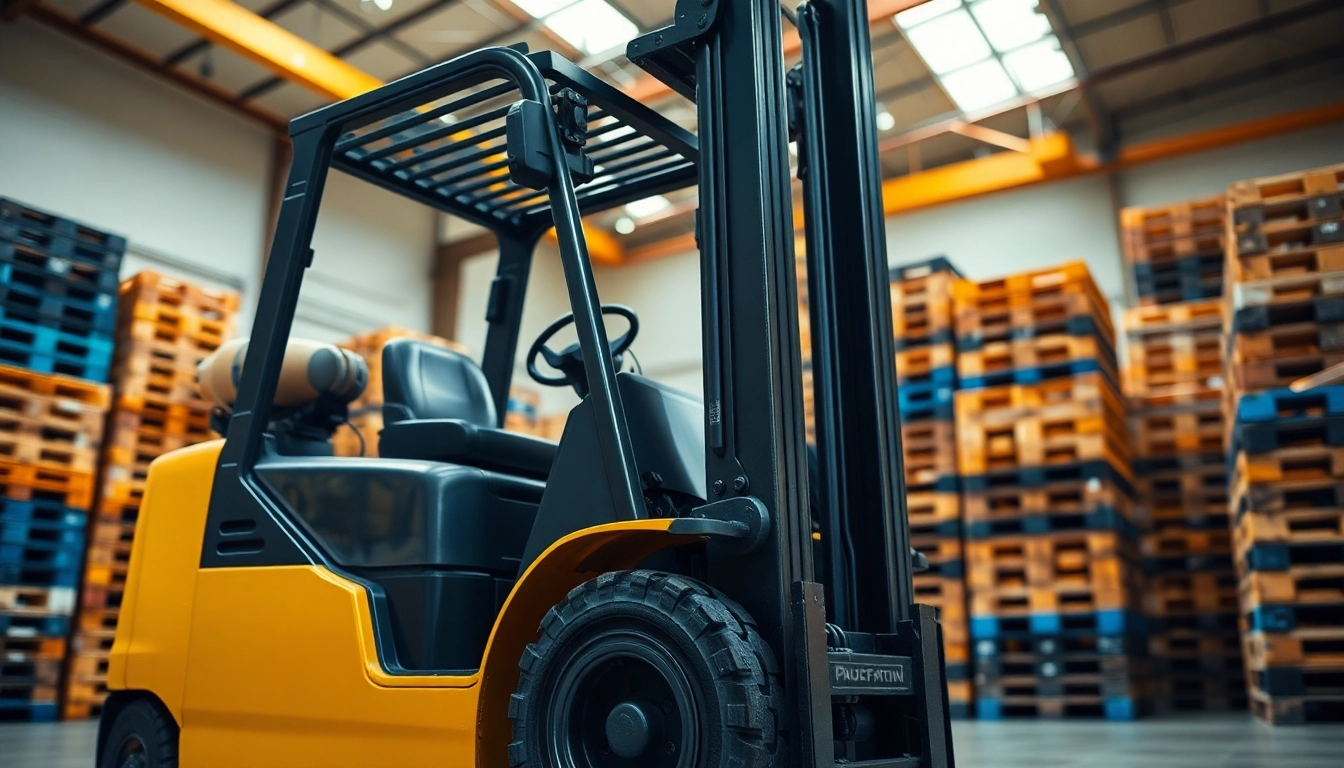
A forklift, also known as a lift truck, is a powered industrial vehicle equipped with a pronged device at the front for lifting and carrying heavy materials over short distances. Forklifts are commonly used in warehouses for loading and unloading goods from trucks, stacking products in racks, and moving materials around a job site. Their versatility allows businesses to streamline logistics processes, improving productivity and reducing labor costs.
Key Components of a Forklift
Understanding the key components of a forklift is crucial for its operation and maintenance. The primary components include:
- Forks: The prongs that lift and carry loads.
- Mast: The vertical assembly that raises and lowers the forks.
- Hydraulic System: Responsible for lifting the mast and forks.
- Operator Cabin: The enclosed area where the operator controls the forklift.
- Wheels: Usually made of rubber or polyurethane for stability and traction.
Importance of Forklift in Material Handling
Forklifts play a critical role in enhancing the efficiency of material handling processes. They enable quick and safe lifting and transporting of heavy items that manual labor cannot efficiently manage. As businesses seek to operate at peak efficiency, the importance of a forklift becomes clear, particularly in sectors where high volumes of goods must be sorted and moved rapidly. The use of forklifts minimizes the risk of workplace injuries and enhances overall workplace productivity.
Types of Forklift
Choosing the right type of forklift depends on the industry requirements and specific applications. Here, we explore the various types available.
Electric Forklift
Electric forklifts are powered by batteries and are known for their efficiency and low emissions. They are suitable for indoor use, particularly in environments where air quality is crucial, such as food and pharmaceutical warehouses. These forklifts are quieter than their gas counterparts and offer lower operational costs.
Internal Combustion Forklift
Internal combustion forklifts are fueled by gasoline or propane and are ideal for outdoor use, particularly in rugged conditions. Their robust design allows them to handle heavy loads and navigate uneven surfaces easily. However, they emit exhaust, which can be a drawback in enclosed spaces.
Specialized Forklift Models
In addition to standard electric and internal combustion forklifts, several specialized models cater to unique requirements:
- Reach Trucks: Designed for narrow aisles and higher stacking.
- Pallet Jacks: Ideal for moving pallets short distances.
- Telehandlers: Versatile machines that combine forklift capabilities with a retractable boom for lifting to greater heights.
- Order Pickers: Used in warehouses to lift operators to the height of shelves for order fulfillment.
How to Choose the Right Forklift
Selecting the right forklift is essential for ensuring efficiency and safety in operations. Here are critical factors to consider:
Assessing Your Needs
Begin by evaluating your specific material handling requirements. Consider factors such as load weight, lift height, and the surface on which the forklift will operate. Understanding the environment will help you determine whether an electric or internal combustion forklift is more suitable.
Evaluating Forklift Specifications
Examine the specifications of each forklift model, including load capacity, turning radius, and height of lift. It’s crucial that the forklift is not only capable of meeting your operational demands but also fits comfortably within the physical constraints of your workspace.
Budget Considerations
Cost is always a factor in business decisions. Analyze the initial purchase price alongside projected maintenance and operational costs to understand the total cost of ownership. Forklifts may seem like a significant investment, but their ability to streamline operations often results in significant savings over time.
Forklift Safety Practices
Safety should always be the top priority in any workplace that utilizes forklifts. Adhering to safety practices can prevent accidents and injuries.
General Safety Guidelines
To ensure safety while operating a forklift, implement the following guidelines:
- Always wear the appropriate personal protective equipment (PPE).
- Ensure that all operators are properly trained and certified.
- Conduct regular inspections and maintenance on forklifts.
- Maintain clear visibility and avoid overloading the forklift.
Forklift Operation Protocol
Operators should adhere to specific protocols during operation. For example, never drive with the forks raised, and always look in the direction of travel. Additionally, use horns and other signals when navigating blind corners or areas with limited visibility.
Common Safety Mistakes to Avoid
Understanding common safety pitfalls can help prevent accidents. Frequent mistakes include:
- Failing to perform pre-operational checks.
- Ignoring load limits.
- Neglecting to wear safety gear.
The Future of Forklift Technology
As industries evolve, so too does the technology behind forklifts. Emerging innovations promise to revolutionize their operation and efficiency.
Innovations in Forklift Design
Modern forklifts are increasingly being designed with advanced technologies such as electric motors, battery monitoring systems, and GPS-enabled tracking. These innovations aim to optimize performance while minimizing environmental impact. From automatic load levels to intelligent sensors, the potential for enhanced safety and efficiency is vast.
Impact of Automation on Forklift Operations
Automation technology is gradually being integrated into forklift operations. Automated guided vehicles (AGVs) represent a significant trend in this arena. Using sensors and software, these forklifts can navigate facilities without human intervention, improving efficiency, accuracy, and safety while reducing labor costs.
Trends in Forklift Utilization
Trends indicate a growing preference for electric forklifts due to their environmental benefits and suitability for indoor use. Additionally, there is a rising demand for multifunctional forklifts that can adapt to various tasks, further streamlining material handling processes.
Frequently Asked Questions
1. What is the average lifespan of a forklift?
The average lifespan of a forklift ranges from 10 to 15 years, depending on its usage, maintenance, and operating conditions. Regular maintenance can prolong its life.
2. How often should a forklift be serviced?
Forklifts should be serviced at least once a year. However, frequent inspections and maintenance are advisable, especially for high-use models, to ensure they remain in optimal working condition.
3. Can a forklift operate in the rain?
Yes, but precautions must be taken. Forklifts with open cabs may cause electrical failures in wet conditions, while certain models are designed for wet environments but should still be used cautiously.
4. Do I need to be certified to operate a forklift?
Yes, operators must receive certification from a recognized organization. This training ensures they understand safety protocols and the technical aspects of operating a forklift.
5. What is the maximum weight a forklift can lift?
Forklift capacities can vary widely, with some models capable of lifting between 3,000 to 50,000 pounds. It’s essential to check the specifications of each forklift model for precise weight limits.