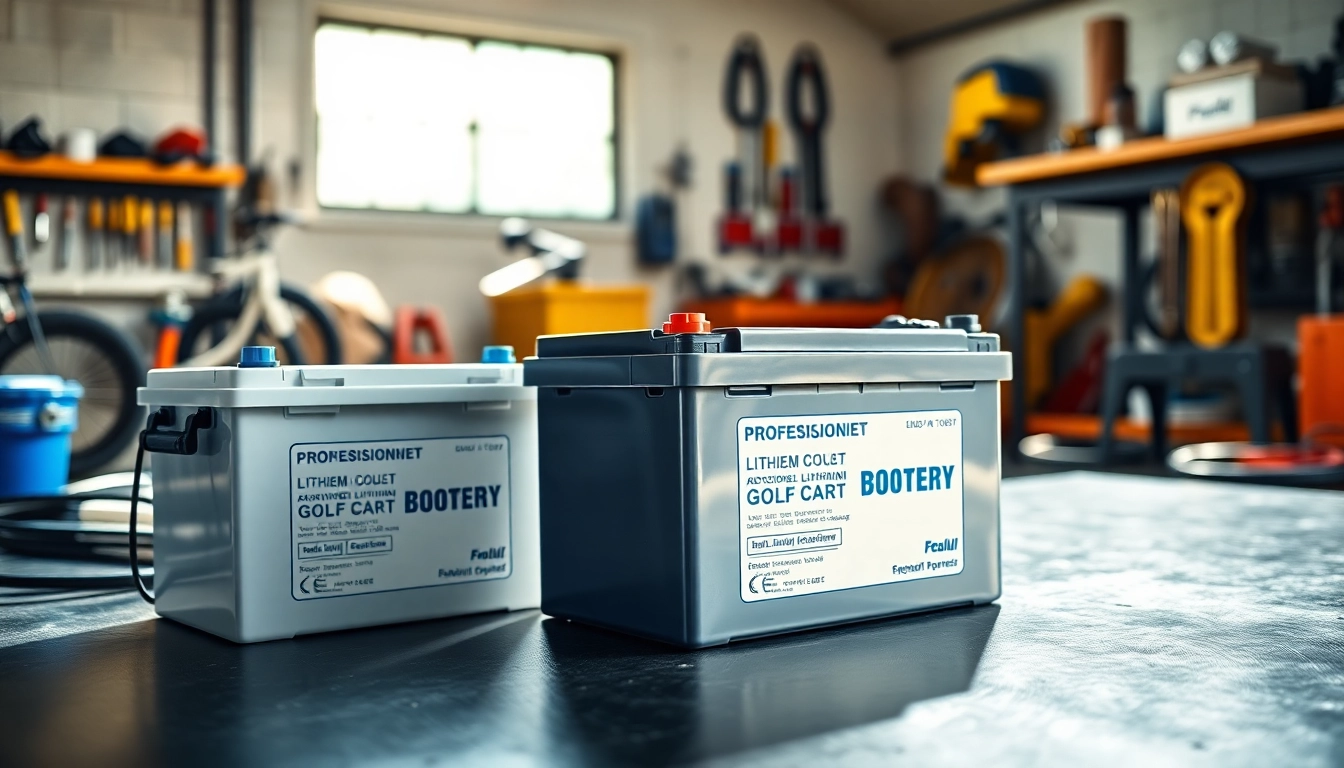
Understanding Lithium Golf Cart Batteries
Lithium golf cart batteries have gained significant popularity in the world of golf carts, providing users with advanced technology and enhanced features. Unlike traditional lead-acid batteries, lithium-ion variants not only simplify maintenance but also improve performance. These batteries can greatly enhance the overall efficiency and range of your golf cart, making them a top choice among enthusiasts and everyday users alike. By exploring the intricacies of these batteries, you can make informed decisions when selecting lithium golf cart batteries for your needs.
What are Lithium Golf Cart Batteries?
Lithium golf cart batteries are rechargeable batteries constructed from lithium-ion technology. They utilize lithium as the main material in their electrochemistry, leading to significant advantages regarding weight, efficiency, and lifespan. These batteries come in different configurations, most commonly found as 36V and 48V systems tailored for various cart models. Their design ensures energy density is maximized, helping users achieve longer trips with fewer charges.
Advantages Over Traditional Batteries
When comparing lithium batteries to traditional lead-acid batteries, several advantages emerge:
- Weight: Lithium batteries are significantly lighter, which enhances the cart's performance and reduces wear on components.
- Efficiency: Lithium batteries generally charge faster, reducing downtime.
- Longevity: With a cycle life that often exceeds 2000 cycles, lithium batteries outlast most lead-acid varieties.
- Depth of Discharge: Lithium batteries can be discharged more deeply without damaging their structure, offering more usable energy.
- Maintenance-Free: Unlike traditional batteries that require regular checks and water top-ups, lithium systems are more user-friendly.
Key Features to Look For
When selecting a lithium golf cart battery, consider these essential features:
- Battery Management System (BMS): A high-quality BMS ensures safety by monitoring performance and protecting against over-voltage, over-current, and thermal issues.
- Cycle Life: Aim for batteries rated for at least 2000-5000 cycles for optimal longevity.
- Capacity: Choose a capacity that meets your power needs, typically 100Ah or higher for recreational use.
- Compatibility: Ensure the chosen battery is compatible with your golf cart's specifications.
Performance Metrics of Lithium Golf Cart Batteries
Cycle Life and Durability
The cycle life of a Vatrer Power lithium golf cart battery refers to how many charge and discharge cycles a battery can endure before its capacity significantly degrades. Most lithium golf cart batteries provide impressive cycle lives, often ranging from 2000 to over 5000 cycles. This is in stark contrast to traditional lead-acid batteries which may only last between 300 to 800 cycles, emphasizing a major benefit of the lithium option.
Charging Efficiency and Time
Lithium batteries excel in charging efficiency, often reaching 80% charge in as little as an hour compared to the 6-8 hours required for lead-acid batteries. This efficiency is particularly valuable for golf cart users, allowing for quick turnaround times and extended periods of use. Moreover, lithium batteries can be charged at different rates, giving users flexibility depending on their situation.
Weight and Size Considerations
A critical factor for golf cart owners is the weight of the battery. Lithium batteries are considerably lighter than traditional options—often by 50% or more. This weight saving results in improved handling and performance, allowing carts to go faster and further on the same charge. Furthermore, the compact nature of lithium batteries means they can fit into areas where larger batteries cannot.
Installation and Maintenance Tips
Proper Installation Procedures
When installing lithium golf cart batteries, follow these steps to ensure effective setup:
- Ensure your golf cart is powered off and safely disconnected from any power source.
- Remove the old batteries, taking care to document the wiring for replacement.
- Install the 48V 105Ah Lithium Battery in accordance with the manufacturer's specifications, checking polarity.
- Secure all connections and double-check for integrity before reconnecting power.
- Perform a test run to ensure functionality and address any issues that arise.
Routine Maintenance Practices
While lithium batteries are maintenance-free, periodic checks are essential for optimal performance:
- Inspect connections for corrosion and cleanliness.
- Check the battery's performance and consistency in charge over time.
- Follow manufacturer guidelines for long-term storage practices.
Common Issues and Solutions
Here’s a quick guide to troubleshooting common issues:
- Battery Fails to Charge: Check the charger for compatibility and functional status.
- Battery Runs Out Too Quickly: Reassess usage habits and ensure batteries do not exceed maximum discharge settings.
- Heat Buildup: Ensure proper ventilation and check for overcharging conditions.
Choosing the Right Lithium Golf Cart Batteries
Comparing 36V vs. 48V Options
The voltage of your lithium battery will significantly impact performance. Typically, a 48V battery will provide higher power output and extend the range of your cart. In contrast, 36V options are suitable for lighter use and specific models. Determining the optimal voltage requires understanding your power needs and the configuration of your golf cart.
Evaluating Brand Specifications
Not all lithium batteries are created equal. Evaluate specifications such as cycle life, capacity rating, thermal protection mechanisms, and warranty offers from different brands. Selecting a reputable choice can ultimately improve the longevity and effectiveness of your golf cart battery system.
Price vs. Quality Considerations
While upfront costs for lithium batteries can be higher than their lead-acid counterparts, consider the long-term savings on maintenance, replacements, and performance. Investing in a quality lithium battery can lead to lower overall costs across its lifecycle, translating into better value for your money over time.
Frequently Asked Questions
How long do lithium golf cart batteries last?
Lithium golf cart batteries generally last between 2000 to 5000 cycles, translating to several years depending on usage and maintenance.
Can lithium golf cart batteries be overcharged?
While most lithium batteries come with built-in protection, overcharging can lead to overheating. Always use compatible chargers for safety.
What is the best way to charge lithium golf cart batteries?
Charge using a compatible lithium charger and avoid charging in extreme temperatures to maintain battery health and lifespan.
How do I know if my battery is failing?
Signs of failure include diminished range, slow charging times, and physical damage. Regular checks can help identify these issues early.
What temperature is safe to store lithium golf cart batteries?
Store lithium batteries at room temperature in a dry place. Avoid freezing conditions as they can damage the battery performance.