Understanding Blower Door Testing
What is a Blower Door Test?
A blower door test is a diagnostic procedure used to measure the airtightness of a building. By using a powerful fan mounted in a door frame, it creates a difference in air pressure inside and outside the building. This process allows professionals to determine how much outside air infiltrates the home, which can lead to energy loss, discomfort, and potential health issues.
How Blower Door Tests Work
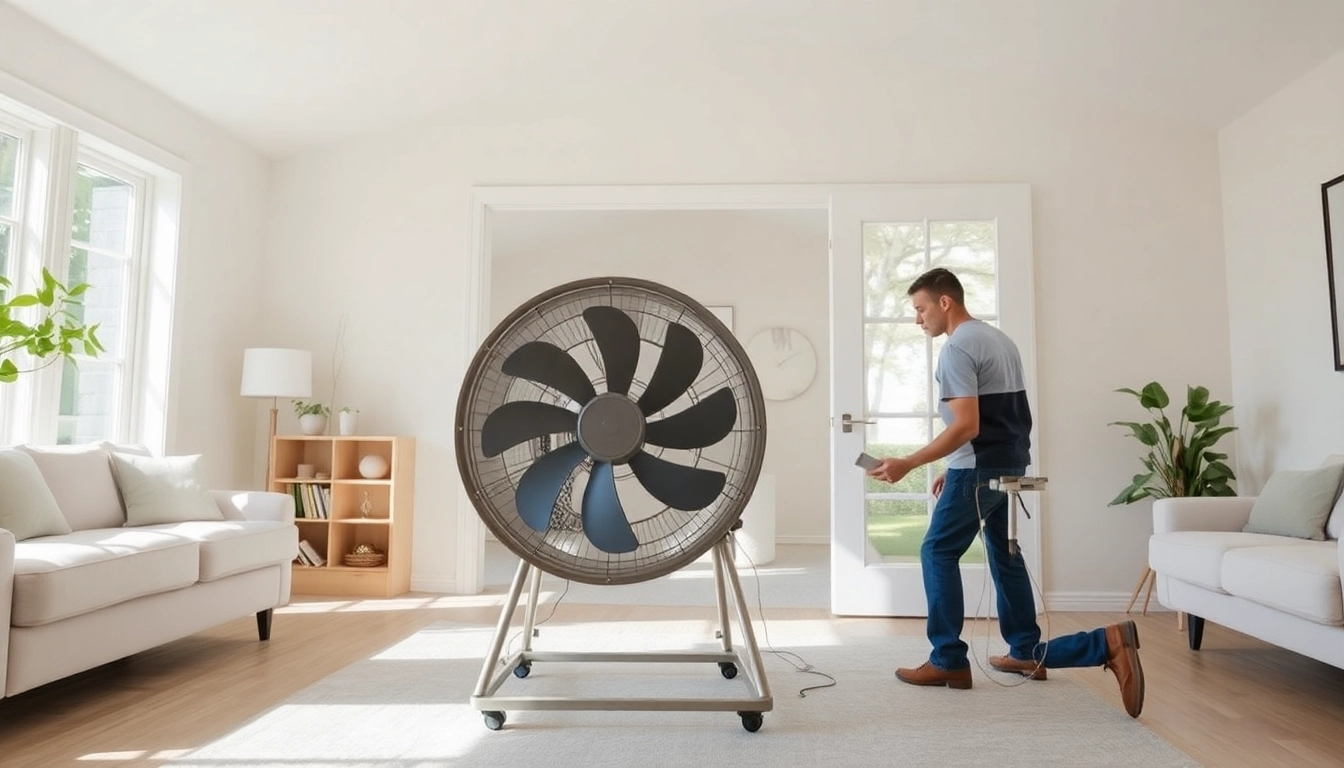
During a blower door test, a fan is installed in an exterior doorway, and the building is sealed up as much as possible. The fan then depressurizes the home, and the airflow required to maintain a specified pressure difference (usually 50 pascals) is measured in cubic feet per minute (CFM). This data helps assess the overall air leakage rate, pinpointing areas that need sealing or improvements.
Benefits of Professional Testing
Using blower door test companies offers several advantages:
- Identifying Air Leaks: Professionals can accurately locate leaks in walls, ceilings, and foundations that homeowners may overlook.
- Improving Energy Efficiency: Addressing leaks can significantly reduce heating and cooling costs.
- Enhanced Comfort: A well-sealed home provides better indoor temperature and humidity control.
- Health Benefits: Reducing outdoor pollutant infiltration improves indoor air quality.
Choosing the Right Blower Door Test Companies
Key Factors to Consider
When selecting a blower door test company, consider the following factors to ensure you are receiving high-quality service:
- Certifications and Qualifications: Look for technicians certified by recognized organizations to guarantee expertise.
- Experience: Companies with years of experience often provide more reliable testing and solutions.
- Reviews and Recommendations: Check online reviews and ask for referrals to assess customer satisfaction.
- Comprehensive Services: Companies that offer a range of services (like HVAC assessments, energy audits) may provide a more thorough evaluation of your home’s efficiency.
Top Qualities of Reliable Service Providers
In addition to the key factors above, look for these qualities in a blower door test company:
- Attention to Detail: Good companies take time to perform thorough assessments, ensuring that no air leaks go unnoticed.
- Transparency: Open communication about pricing, procedures, and expected results is essential.
- Post-Test Support: Reliable providers offer guidance on necessary repairs or improvements after the test is completed.
Questions to Ask Potential Companies
Before hiring a blower door test company, it’s wise to ask the following questions:
- What certifications do your technicians have?
- Can you provide case studies or references from previous clients?
- What equipment do you use for testing?
- Do you offer a comprehensive report post-assessment?
- How do you charge for your services? Are there any additional fees?
Cost Considerations for Blower Door Tests
Typical Pricing Structures
The cost of a blower door test can vary widely based on location, home size, and company pricing structures. On average, homeowners can expect to pay between $300 and $600 for a professional blower door test. Some companies may offer bundled services, where the blower door test is part of a larger energy audit package at a discounted rate.
Factors Affecting Costs
Several factors can influence the final cost of a blower door test:
- Home Size: Larger homes take more time to test and seal, potentially increasing costs.
- Location: Testing rates may vary based on regional demand and operating costs.
- Additional Services: Opting for comprehensive energy audits or additional measurements will raise the overall price.
Cost vs. Value of Testing
While the upfront cost of a blower door test may seem significant, the long-term savings can justify the expense. By identifying and sealing air leaks, homeowners can achieve substantial savings on energy bills, improved comfort levels, and increased home value. Additionally, it can prevent subsequent damage caused by moisture infiltration and energy inefficiency.
Preparing for a Blower Door Test
What Homeowners Should Know
Preparation for a blower door test involves ensuring that the home is conducive for accurate testing. Homeowners should provide access to all parts of the house and ensure that any vents, windows, and doors are closed for the test's duration.
Common Preparations to Make
To facilitate a seamless testing process, homeowners should:
- Seal any fireplaces or flue vents that are not in use.
- Turn off any gas appliances to prevent unintentional air leaks.
- Clear areas around doors and windows to allow professional access for testing.
- Collect previous energy bills and any reports from prior energy audits to share with the technician.
Post-Test Steps to Take
After the blower door test, homeowners will receive a report detailing vulnerabilities found, air leakage rates, and suggested remedies. It’s essential to review this report carefully and prioritize necessary repairs to achieve energy savings and enhance comfort levels.
Frequently Asked Questions
What is the average blower door test?
The average blower door test typically reveals a flow rate of about 500 CFM, though this can vary based on the size of the home and the level of sealing required.
How long does a blower door test take?
A blower door test usually takes around 1 to 2 hours to complete, depending on the size of the home and the thoroughness of the assessment.
What if my home fails the test?
If your home fails the blower door test, you'll receive guidance on necessary repairs to improve sealing. Common fixes include caulking, weather-stripping, or installing insulated doors and windows.
Can I conduct the test myself?
While DIY blower door kits are available, professional testing is recommended for accurate results, as they use calibrated equipment and possess the expertise to interpret the data correctly.
How often should I get a blower door test?
Homeowners should consider a blower door test every 2 to 5 years or after significant home renovations or air sealing work to maintain energy efficiency.