Understanding Containerized Wastewater Treatment
Containerized wastewater treatment systems represent a groundbreaking approach to managing and treating wastewater in a variety of contexts. These modular systems, often housed within standard shipping containers, are designed to address a wide range of water treatment challenges, from domestic sewage to complex industrial effluents. As environmental regulations become stricter and the demand for efficient water management solutions grows, businesses and municipalities are increasingly turning to containerized wastewater treatment systems as reliable, flexible options. Their pre-engineered nature not only facilitates rapid deployment but ensures compliance with environmental standards, making them an attractive solution for various applications.
What is Containerized Wastewater Treatment?
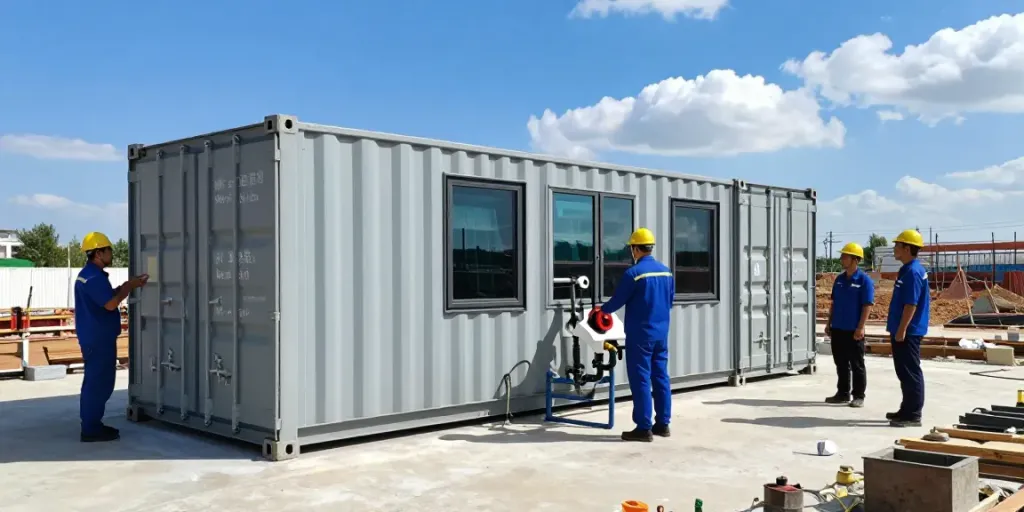
Containerized wastewater treatment is a method of treating wastewater within a compact, transportable structure that can be easily deployed at various locations. These systems are typically pre-engineered and come pre-installed with the necessary equipment, allowing for efficient and effective treatment processes. They are ideal for environments where traditional wastewater treatment facilities may be impractical due to space constraints or local regulations.
Utilizing processes such as biological treatment, filtration, and disinfection, these systems manage wastewater from diverse sources, including residential, industrial, and agricultural. By offering a contained solution, operations can be managed centrally, ensuring ease of monitoring and maintenance.
Key Components of Containerized Systems
Containerized wastewater treatment systems consist of several key components that work together to ensure effective treatment:
- Bioreactors: Provide the environment for biological treatment processes, utilizing microorganisms to break down organic matter.
- Filtration units: Remove solids and other impurities from the treated water, ensuring it meets discharge standards.
- Disinfection systems: Ensure the treated water is free from pathogens, typically using UV radiation or chemical methods.
- Control systems: Monitor and adjust treatment processes in real-time, optimizing performance and efficiency.
Benefits of Modular Design in Wastewater Management
The modular design of containerized wastewater treatment systems offers numerous benefits, particularly in terms of flexibility and scalability. These systems can be deployed quickly, making them ideal for emergencies or remote locations lacking infrastructure. Furthermore, their modulability allows for systems to be expanded or reduced based on the volume of wastewater being treated, providing a cost-effective solution tailored to specific needs.
Operational Flexibility and Deployment
Rapid Installation Techniques
One of the standout features of containerized wastewater treatment systems is their rapid installation capability. These units can typically be set up within one to two days, requiring minimal civil works and site preparations. The integration of advanced technologies into a compact unit allows for streamlined assembly and deployment, ensuring that businesses and municipalities can respond promptly to wastewater treatment needs.
Transportability: Moving the Treatment Unit
The transportability of containerized systems makes them an exceptional choice for dynamic operational environments. Standard shipping containers can be moved easily by flatbed trucks and cranes, enabling users to relocate systems as their needs change. This flexibility is especially valuable for industries that operate in multiple regions or for temporary installations at construction sites.
Case Studies of Successful Deployments
Several case studies highlight the effectiveness of containerized wastewater treatment systems. For example, during disaster relief efforts, mobile systems were deployed in rural zones to restore essential sanitation services, demonstrating their ability to deliver reliable treatment quickly. Additionally, industries such as oil and gas have successfully integrated these systems into their operations, ensuring compliance with environmental regulations while maintaining production efficiency.
Regulatory Compliance and Environmental Standards
Adhering to Local Regulations
Compliance with local environmental regulations is a critical factor in wastewater treatment. Containerized systems are designed to meet these diverse standards, ensuring treated water can be safely discharged into the environment or reused in various applications. They enable operators to maintain records and reporting required by regulatory agencies, making regulatory adherence straightforward.
Impact on Water Quality and Ecosystems
Efficient wastewater treatment significantly impacts water quality and local ecosystems. By effectively removing contaminants, containerized systems help to protect aquatic life and maintain the integrity of water supplies. Furthermore, treated wastewater can be reused in irrigation or other non-potable applications, contributing to sustainable water management practices.
Innovative Solutions for Compliance Challenges
As regulations evolve, containerized systems adapt, providing innovative solutions to meet new compliance challenges. Advanced monitoring and control systems integrated within these units allow for real-time analysis and adjustments, enhancing overall performance and ensuring ongoing compliance with dynamic regulations.
Technological Advancements in Containerized Systems
Automation and Control Systems
Modern containerized wastewater treatment systems often come equipped with advanced automation and control technology. These systems utilize sensors, data analytics, and machine learning algorithms to optimize treatment processes, reduce energy consumption, and enhance efficiency. The ability to monitor systems remotely allows operators to address issues proactively and maintain optimal performance.
Energy Efficiency in Wastewater Processing
Energy efficiency is a growing concern in wastewater treatment, and containerized systems are designed to minimize energy consumption. Through processes such as anaerobic digestion and advanced aeration control, these systems can significantly lower their operational costs while maintaining effective treatment. Adopting energy-efficient technologies not only reduces expenses but also supports sustainability goals.
Future Trends in Water Treatment Technology
As we look towards 2026, several trends are shaping the future of containerized wastewater treatment. Innovations in materials for container construction and treatment technology are anticipated, as well as increases in regulatory requirements pushing for even more sustainable practices. Furthermore, the integration of renewable energy sources into these systems, such as solar panels or wind turbines, is expected to become more prevalent, allowing for self-sustaining treatment plants.
Choosing the Right Containerized Solution
Evaluating Your Wastewater Treatment Needs
Choosing the right containerized wastewater treatment system begins with a thorough evaluation of specific treatment needs. Factors such as the volume and type of wastewater, space limitations, and compliance requirements must all be considered. Engaging with experts in the field can provide valuable insights and assist in selecting the most suitable solution for your unique circumstances.
Cost Analysis of Containerized Systems
While the upfront cost of containerized wastewater treatment systems can vary, they often represent a cost-effective solution in the long term. Factors influencing the overall cost include system size, treatment technologies, and additional features. It's essential to conduct a comprehensive cost analysis that considers installation, operation, and maintenance expenses to ensure a clear understanding of the investment.
Expert Tips for Selecting Providers and Systems
When selecting a provider for containerized wastewater treatment systems, consider the following tips:
- Experience and Reputation: Choose a provider with a proven track record in the wastewater treatment industry.
- Customization: Look for companies that offer customizable solutions tailored to your specific needs.
- Support and Maintenance: Ensure your provider offers robust support and maintenance services to keep your system running smoothly.
What is a containerized wastewater treatment plant?
A containerized wastewater treatment plant is a compact, modular facility designed to treat wastewater efficiently. It utilizes a series of treatment processes housed within shipping containers, making it easy to transport and install at various locations.
How does containerized wastewater treatment work?
Containerized wastewater treatment works by collecting wastewater and passing it through a series of processes, including biological treatment, filtration, and disinfection. Each process is designed to remove specific contaminants, ensuring that the final effluent meets environmental discharge standards.
What are the benefits of containerized systems?
The benefits of containerized systems include rapid deployment, flexibility in operation, compliance with environmental regulations, and reduced operational costs. Their modular design allows for easy relocation and scalability based on changing wastewater treatment needs.
How much does a containerized wastewater system cost?
The cost of a containerized wastewater system varies based on factors like size, configuration, and specific features. On average, the investment can range from tens of thousands to several hundred thousand dollars, depending on the complexity of the system.
How are containerized units transported and installed?
Containerized units are transported using standard flatbed trucks and can be installed with the assistance of cranes. Typically, installation takes one to two days on-site, depending on site conditions and system specifications.