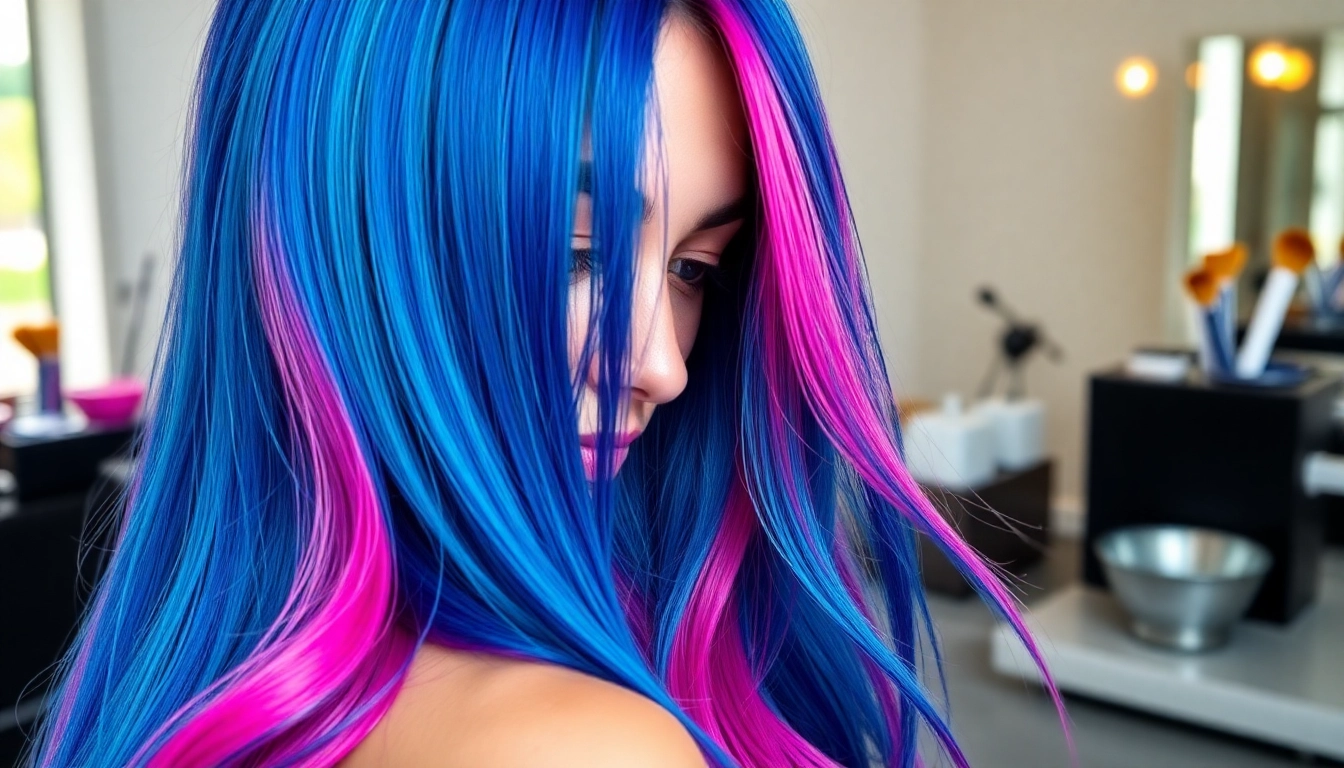
Understanding Hair Colouring Basics
What is Hair Colouring?
Hair colouring is the process of changing the color of hair, either partially or completely. It involves using various dyeing techniques that can enhance natural color, cover grays, or create a completely new look. The practice has ancient roots and has evolved significantly, becoming a popular beauty trend. Modern hair colouring can be done at home or in professional salons, with an array of products available for every preference and hair type. For those looking to explore different dimensions to their hair, understanding the fundamentals of Hair colouring is essential.
Different Types of Hair Colouring Techniques
There are several techniques to consider when it comes to hair colouring. Here are a few of the most popular methods:
- Permanent Hair Colour: This technique provides a long-lasting effect by penetrating the hair shaft. It’s ideal for those who want to make a significant change in their hair color.
- Semi-Permanent Hair Colour: A less permanent solution that typically lasts around 6 to 12 shampoos. This is perfect for those who want to try out a new color without a long-term commitment.
- Temporary Hair Colour: These dyes coat the hair rather than penetrate it, making them easy to wash out. Ideal for special occasions or seasonal changes.
- Highlights and Lowlights: Techniques that involve coloring small sections of hair to create depth and dimension. Highlights are lighter shades woven through the hair, while lowlights are darker shades.
- Ombre and Balayage: Popular in recent years, these techniques offer a graduated look where the hair color transitions from dark to light (ombre) or creates a natural sun-kissed effect (balayage).
Important Considerations Before Hair Colouring
Before diving into hair colouring, there are essential considerations to take into account:
- Hair Type: Different hair types react differently to dye. Ensure that you know your hair’s health and texture.
- Skin Allergies: Conduct a patch test at least 48 hours before applying the dye to avoid allergic reactions.
- Desired Outcome: Have a clear vision of the color and style you want to achieve. Consulting with a professional can be beneficial.
- Maintenance: Understand the upkeep required for your chosen color; some shades fade quicker than others and may require more frequent touch-ups.
Choosing the Right Hair Colour
Identifying Your Skin Tone
Choosing the right hair color begins with knowing your skin tone. Skin tones are typically categorized into three primary groups: warm, cool, and neutral. Warm-toned individuals often have yellow or golden undertones and look great in colors like golden blonde or rich auburn. Cool-toned individuals have pink or blue undertones, making shades like ash blonde or deep burgundy preferable. Neutral tones can often wear a broad spectrum of colors, giving them more flexibility in choosing hair color.
Selecting Complementary Hair Colours
Once you understand your skin tone, selecting complementary hair colors can enhance your overall look:
- For Warm Undertones: Golden, honey, and copper tones will typically bring warmth to your complexion.
- For Cool Undertones: Look for colors with ashy hues like cool blondes, browns, and even vibrant reds.
- For Neutral Undertones: Opt for a combination of both warm and cool tones to achieve a balanced style.
Trends in Hair Colouring You Should Know
Staying updated with current trends ensures your hair coloring is modern and stylish. Some of the leading trends include:
- Pastel Hues: Soft colors such as lavender, mint green, and peach have gained popularity, offering a playful twist.
- Grey and Silver: Once associated with aging, grey has now become a fashionable choice for all ages.
- Bold Colours: Bright shades such as pink, blue, and green allow individuals to express their personalities distinctly.
- Natural Tones: An increasing number of people prefer going back to their roots with subtle, natural-looking hues.
Preparing for a Hair Colouring Session
Consultation and Client Needs Assessment
Prior to any hair colouring session, a consultation is crucial. During this discussion:
- Assess the client's current hair condition. Are there any previous colors? Is the hair damaged or healthy?
- Understand the client's expectations. What look are they hoping to achieve? This is a time to discuss colors, techniques, and longevity of results.
- Advise on realistic outcomes based on hair type and history. Often, clients may expect more than what can be achieved in one session.
Preparing Hair for Colouring
Proper preparation of the hair is vital for achieving optimal results:
- Clean Hair: Ensure hair is clean yet not freshly washed. A day or two post-wash can keep natural oils for protection.
- Trim & Treat: Healthy hair can absorb color better—consider a trim and deep conditioning treatment before coloring.
- Set the Environment: Make sure the workspace is well-lit, and all tools and products are within easy reach to facilitate the process.
Gathering Necessary Tools and Products
Before commencing with hair coloring, gather all necessary tools and products:
- Coloring Kits: Select high-quality dyes suited for the desired outcome.
- Brushes and Bowls: For even application, various brushes and bowls assist in mixing and applying dye.
- Protective Gear: Gloves, capes, and towels help protect the skin and clothes from staining.
- Developer: Choose the right developer based on the specific color and technique to be used.
Executing Hair Colouring Techniques
Step-by-Step Guide to Hair Colouring
Executing hair coloring involves several key steps:
- Section the Hair: Divide hair into manageable sections with clips to ensure an even application.
- Mix the Dye: Follow the manufacturer's instructions for mixing the dye with the developer, ensuring it’s blended well.
- Apply the Colour: Start from the roots and work towards the ends, ensuring even coverage. Use a brush for precise application.
- Developing Time: Allow the dye to process according to the specified time on the product instructions; this can vary by product.
- Rinse Thoroughly: Rinse with lukewarm water until the water runs clear. Follow up with a color-safe shampoo and conditioner to maintain vibrancy.
Common Mistakes to Avoid
Avoiding common mistakes can significantly improve results:
- Skipping the Patch Test: Always test for allergies before applying the dye.
- Ignoring Instructions: Each product has its unique application and timing; don’t assume all dyes work the same.
- Inconsistent Application: Uneven application can lead to patchy results, so be thorough in the process.
- Overprocessing: Resist the urge to leave the dye on longer than recommended, as it can lead to damage.
Post-Care for Long-Lasting Colour
After coloring, proper care is essential for maintaining hair health and color vibrancy:
- Avoid Heat: Limit heat styling for a few days post-coloring to avoid stripping the color.
- Use Color-Safe Products: Opt for shampoos and conditioners formulated for colored hair to prevent fading.
- Regular Conditioning: Use leave-in treatments or masks to keep hair hydrated and healthy, ensuring the color remains vibrant.
- Schedule Touch-Ups: Depending on the color and hair growth, plan semi-annual or quarterly touch-up sessions to maintain the look.
Evaluating Hair Colouring Results
Assessing the Outcome of Your Hair Colouring
After the hair colouring process, it’s important to evaluate the results:
- Assess if the color meets your expectations. Does it look as vibrant or as subtle as you had hoped?
- Check for even application across the head. Are there any patches or uneven areas that need correcting?
- Evaluate the overall health of the hair after coloring, looking for signs of dryness or damage.
Adjusting Colours as Needed
If the color isn’t exactly what you envisioned, there are ways to adjust it:
- Stripping Color: In some cases, it may be necessary to strip color using a color remover. This process should be approached with caution to avoid additional damage.
- Toning: If the color has unwanted brassy tones, a toner can often correct this and give a more refined look.
- Re-dyeing: If the outcome is significantly different from expectations, a re-dye may be necessary, but consider waiting a few weeks to allow the hair to recover.
Maintaining Hair Health After Colouring
Maintaining the health of hair after applying color is imperative. Consider these key aspects:
- Hydration: Maintain hair moisture by using regular deep conditioning treatments to prevent breakage and dryness.
- Balanced Diet: Hair health starts from within. Ensure you’re consuming a balanced diet rich in vitamins and minerals that benefit hair health.
- Limiting chemical exposure: Minimize the use of other chemical treatments to avoid over-processing hair.
Frequently Asked Questions
What should I do if I have an allergic reaction to hair dye?
If you experience an allergic reaction, discontinue use immediately, wash the dye out with mild soap and water, and consult a healthcare professional for advice.
How often should I touch up my hair colour?
Touch-ups typically depend on hair growth and the dye used; generally, every 4-6 weeks for growth but may vary for vibrant hues.
Can I colour my hair at home?
Yes, coloring at home is feasible with proper products and careful following of instructions, though professional assistance is recommended for complex applications.
How do I remove hair dye from my skin?
You can use a cotton ball dipped in rubbing alcohol or a hair dye remover specifically designed for skin to gently wipe the stained area.
Is it safe to colour damaged hair?
It’s best to avoid coloring severely damaged hair. Consider treatments to restore health before coloring to prevent further damage.