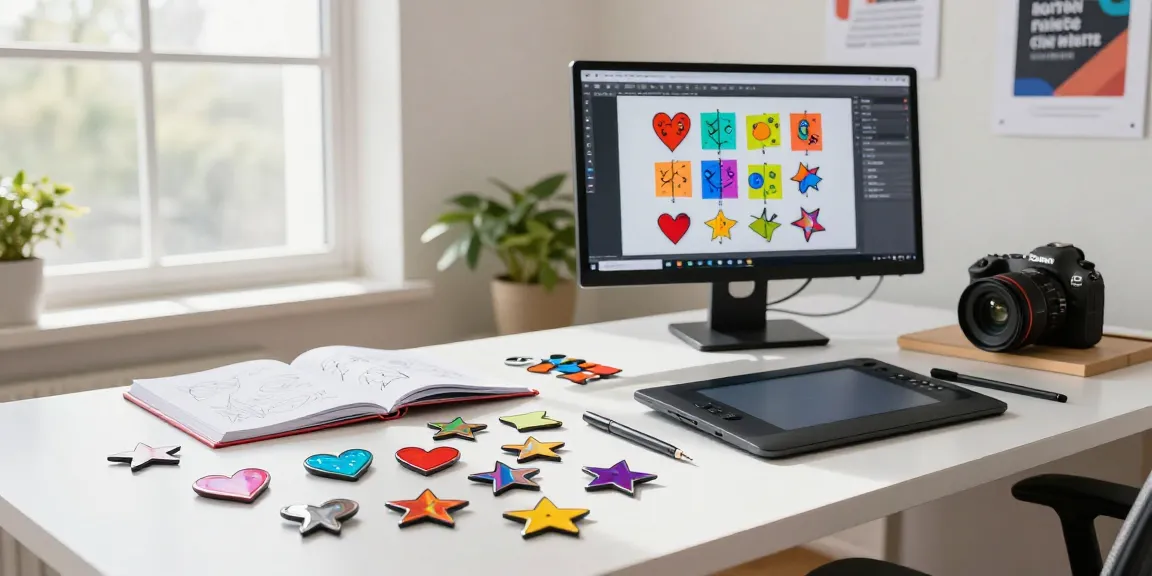
Understanding Acrylic Pins: A Comprehensive Overview
Acrylic pins have surged in popularity as versatile fashion accessories and collectibles in recent years. These small yet impactful items are crafted from eco-friendly transparent acrylic, allowing for vibrant colour reproduction and intricate designs. Whether for personal flair, promotional purposes, or as merchandise for artists and creators, custom acrylic pins offer a unique way to express individuality and brand identity.
What are Acrylic Pins?
Acrylic pins are small badges made from durable acrylic material. They are lightweight, making them easy to attach to clothing, bags, or hats. Typically, acrylic pins are customised with designs ranging from logos to intricate artwork, often enhanced with a glossy epoxy finish that adds depth and vibrancy. These pins serve multiple purposes, from personal expressions of style to promotional items for businesses, ensuring their relevance across various contexts.
The Evolution and Trends of Acrylic Pins
The history of acrylic pins can be traced back to the early 20th century, when collectible buttons gained popularity. As printing technology advanced, acrylic pins emerged as a modern alternative, combining durability with aesthetic appeal. In recent years, trends have shifted towards customisation, with consumers seeking unique designs that reflect their personality and values. The rise of social media has further propelled this trend, creating a visual culture that celebrates personal expression.
Benefits of Using Acrylic Pins in Your Designs
Acrylic pins offer several advantages for both creators and consumers. Firstly, their lightweight nature means they can be worn comfortably without causing strain on clothing. Additionally, the vibrant printing capabilities of acrylic allow for intricate designs that stand out. Custom acrylic pins are also a cost-effective marketing tool, providing businesses with a tangible item that can generate brand awareness and loyalty.
Creating Custom Acrylic Pins: Step-by-Step Guide
Creating custom acrylic pins involves several key steps that ensure the final product is of high quality and meets the desired specifications. Starting with the selection of materials to the production techniques, each phase plays a crucial role in the outcome.
Choosing the Right Materials for Quality Acrylic Pins
When selecting materials for acrylic pins, it's essential to choose eco-friendly options that align with sustainability trends. High-quality acrylic is typically transparent and can be sourced from reputable suppliers. Additionally, consider the backing options available, such as butterfly clutches or magnets, which affect how the pin will be worn and displayed.
Designing Your Acrylic Pins: Tips and Tools
Creating captivating designs requires both artistic skills and the right tools. Graphic design software like Adobe Illustrator or Canva can help artists create pin designs that are visually appealing and ready for production. It’s important to use high-resolution images and to consider the size and shape of the pins, as these factors will influence the final look.
Production Techniques for Stunning Results
Once the design is finalised, the production process can begin. Techniques such as single board with front side epoxy or double board construction can enhance durability and appearance. Investing in professional printing technology ensures that the designs are vibrant and long-lasting, which is crucial for maintaining customer satisfaction.
Top Acrylic Pins Options: Rankings and Recommendations
With a wide array of acrylic pins available in the market, it's essential to identify the best options for your needs, whether for personal use or retail purposes.
Best Selling Acrylic Pins of 2026
The best selling acrylic pins often feature popular themes such as animals, nature, or pop culture references. By analysing consumer trends, designers can create products that meet market demands. A focus on unique aesthetics and quality materials will ensure these pins resonate with buyers.
Comparative Analysis of Different Styles
There are numerous styles of acrylic pins, ranging from simple designs to elaborate multi-layered creations. Popular categories include traditional pin badges, holographic pins, and custom-shaped pins. Understanding the target audience and their preferences can guide creators in deciding which styles to focus on for maximum impact.
Customer Reviews: What to Look For
When evaluating acrylic pins, customer reviews can provide invaluable insights. Look for feedback regarding the quality of materials, design accuracy, and durability of the pins. Positive reviews often mention the vibrancy of colours and the ease of attachment, making them critical indicators of a successful product.
Effective Marketing Strategies for Acrylic Pins
Marketing custom acrylic pins effectively requires a strategic approach that leverages various platforms and methods to reach target audiences.
Engaging Your Audience with Social Media
Social media platforms such as Instagram and TikTok are ideal for showcasing acrylic pins. Creators can share visually appealing content, engage with their audience through polls or contests, and highlight user-generated content to build a community around their brand.
Utilising Influencer Partnerships to Boost Sales
Collaborating with influencers who resonate with your target demographic can significantly enhance product visibility. Influencers can showcase acrylic pins in their content, driving awareness and encouraging followers to make a purchase.
Best Platforms for Selling Custom Acrylic Pins
Online marketplaces like Etsy or dedicated e-commerce sites offer excellent opportunities for selling custom acrylic pins. Establishing an effective online presence through a well-designed website can also help in building brand recognition and customer loyalty.
Future Trends in the Acrylic Pins Market
As the demand for custom acrylic pins continues to grow, several trends are anticipated to shape the market in the coming years.
Emerging Designs and Styles to Watch
Future designs may include intricate layering techniques, glow-in-the-dark effects, and sustainable materials. Staying ahead of these trends can give creators a competitive edge in a crowded market.
Sustainability in Custom Merchandise: A Growing Concern
As consumers become increasingly environmentally conscious, the demand for sustainable products will drive market shifts. Implementing eco-friendly materials and practices in production will not only appeal to buyers but also enhance brand reputation.
Predictions for the Acrylic Pins Industry by 2026
By 2026, the acrylic pin industry is expected to see continued innovation in design and production methods. Increased accessibility to customisation tools and growing awareness of brand identity through merchandise will likely contribute to the industry's expansion.
What materials are used for acrylic pins?
Acrylic pins are primarily made from eco-friendly transparent acrylic, which is known for its durability and vibrant colour capabilities. This material allows for detailed designs and a glossy finish that enhances visual appeal.
How can I effectively market my custom acrylic pins?
Effective marketing strategies include utilising social media platforms for engagement, collaborating with influencers for broader reach, and selling through popular online marketplaces that connect you with potential customers.
What are the popular trends in acrylic pin design?
Current trends in acrylic pin design include custom shapes, holographic finishes, and multi-layered effects. Creators are also leaning towards designs that reflect popular culture, nature, and social statements.
Where can I buy high-quality acrylic pins?
High-quality acrylic pins can be purchased from dedicated custom merchandise platforms like Vograce, where a variety of styles and customisation options are available to suit individual preferences.
Are acrylic pins environmentally friendly?
Many manufacturers are now producing acrylic pins using eco-friendly practices and materials, making it easier for consumers to choose sustainable options without sacrificing quality.