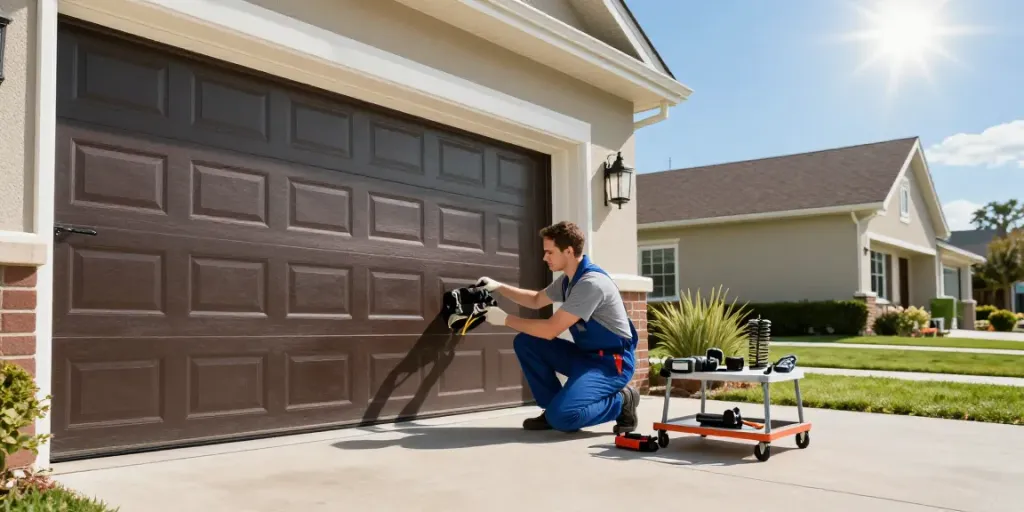
Understanding Panel Lift Door Mechanisms
Panel lift doors have become a popular choice for homeowners due to their aesthetic appeal and practicality. They offer a blend of functionality and design, making them suitable for a variety of properties. When exploring options, panel lift door repair services can help maintain these doors, ensuring they operate smoothly and efficiently. Understanding the workings of these doors is crucial for effective maintenance and timely repairs.
What is a Panel Lift Door?
A panel lift door is a type of garage door that opens vertically by lifting panels, which are hinged together. This design allows them to slide upwards into the garage ceiling, requiring minimal space. Unlike traditional tilt doors, panel lift doors provide better insulation and are easier to operate. They can be constructed from various materials including steel, aluminum, and timber, offering options to suit different budgets and design preferences.
Common Components and Their Functions
Understanding the key components of panel lift doors is vital for recognizing potential issues:
- Panels: The main sections that form the door.
- Hinges: Connect panels allowing them to pivot during operation.
- Tracks: Where the wheels run to guide the door up and down.
- Springs: Counterbalance the weight of the door, making it easier to lift.
- Openers: Motorized devices that enable automatic operation.
How Panel Lift Doors Differ from Other Types
Panel lift doors are distinct from other garage door types, such as roller doors or sectional doors. They offer a more robust sealing against weather, which helps maintain the garage's internal climate. Furthermore, because they lift vertically, they do not require additional space in front of the door to open. This makes them particularly advantageous for properties with limited driveways.
Diagnosing Common Issues with Panel Lift Doors
Knowing how to identify problems can save time and reduce repair costs. Common issues associated with panel lift doors can often be resolved quickly if caught early.
Identifying Symptoms of Malfunction
When panel lift doors experience issues, you may notice several signs including:
- Difficulty opening or closing the door.
- Unusual noises, such as grinding or squeaking.
- Visible gaps between panels or at the edges of the door when closed.
- The door appears misaligned or off track.
Common Faults in Panel Lift Doors
The most frequent issues that arise with panel lift doors include:
- Broken Springs: Essential for counterbalancing the door's weight, springs can wear out or break over time.
- Misaligned Tracks: Obstacles can cause tracks to bend or shift, impeding the smooth movement of the door.
- Faulty Openers: Issues with the motor or remote may prevent the door from functioning properly.
Step-by-Step Troubleshooting Techniques
When faced with a malfunctioning panel lift door, follow these troubleshooting steps:
- Inspect the door visually for any noticeable issues.
- Listen for sounds during operation to diagnose potential mechanical failures.
- Check for obstructions in the tracks, and ensure they are clean and properly aligned.
- Test the springs by attempting to lift the door manually; a heavy door could indicate a spring issue.
Essential Tools for Panel Lift Door Repair
Whether you're considering a DIY approach or preparing for a professional call-out, knowing the essential tools can be extremely helpful.
Must-Have Tools for DIY Repairs
For basic repairs, ensure you have the following tools:
- Socket set and ratchet
- Wrenches
- Lubricant (silicone spray or grease)
- Flathead and Phillips screwdrivers
- Measuring tape
When to Call a Professional Technician
While some issues can be resolved with DIY methods, certain situations require professional expertise:
- When dealing with broken springs, as they can pose safety hazards if not handled correctly.
- If the opener fails and troubleshooting does not resolve the problem.
- In cases where the door is severely misaligned or off track.
Safety Equipment Recommendations
Always prioritize safety when working with garage doors:
- Wear safety goggles to protect your eyes.
- Use gloves to prevent cuts from sharp edges.
- Consider using knee pads if working on the floor.
The Repair Process: Step-by-Step
Understanding the repair process can empower you to manage issues more effectively.
Preparing for the Repair: Safety and Precautions
Before starting any repair work, ensure that the area is safe and organized. Remove any clutter around the door and ensure you have a clear workspace.
Detailed Repair Steps for Common Issues
Here are the typical steps for common repairs:
- Spring Replacement: Disconnect the opener and carefully relieve tension from the springs before replacing them.
- Track Realignment: Loosen the mounting brackets and adjust the tracks to a level position before tightening them back up.
- Opener Troubleshooting: Check the power source, remote batteries, and wiring connections before considering replacement.
Testing and Final Adjustments
After completing repairs, test the door by manually operating it and through the opener. Ensure that it opens smoothly and closes securely. Make any necessary adjustments to the opener's settings if applicable.
Future Trends in Garage Door Technology
The garage door industry is constantly evolving, with advancements that enhance functionality and safety.
Advances in Garage Door Materials and Design
New materials like composite wood and stainless steel are emerging, offering improved durability and aesthetic appeal. These materials are not only eco-friendly but also require less maintenance than traditional wood.
The Role of Smart Technology in Garage Doors
Smart garage door openers are now integrated with home automation systems, allowing users to control their doors remotely through smartphones or voice commands. Features like built-in security cameras and mobile alerts are also becoming commonplace.
Predictions for Panel Lift Door Innovations in 2026
As technology advances, panel lift doors are expected to incorporate enhanced safety features, such as obstacle detection and automatic closing mechanisms. Innovations in energy efficiency and product materials may also lead to more sustainable options.
What are the common signs that indicate panel lift door repair?
Common indicators include unusual noise during operation, misalignment, and difficulty opening or closing the door. Addressing these symptoms early can help prevent more extensive repairs.
How can I prevent common issues with my panel lift door?
Regular maintenance is key; this includes lubricating moving parts, ensuring tracks are clean and unobstructed, and checking the balance of the door periodically.
What tools do I need for panel lift door repair?
Essential tools include a socket set, screwdrivers, lubricant, and a measuring tape. Having these tools on hand can make troubleshooting and repairs much more manageable.
Are there safety precautions to consider during repairs?
Yes, always wear protective gear such as gloves and goggles, and ensure the garage door is disconnected from power before starting repairs.
When should I hire a professional for panel lift door issues?
If you encounter broken springs, misalignments beyond what you can adjust, or electrical issues with the opener, it's best to call a professional technician.